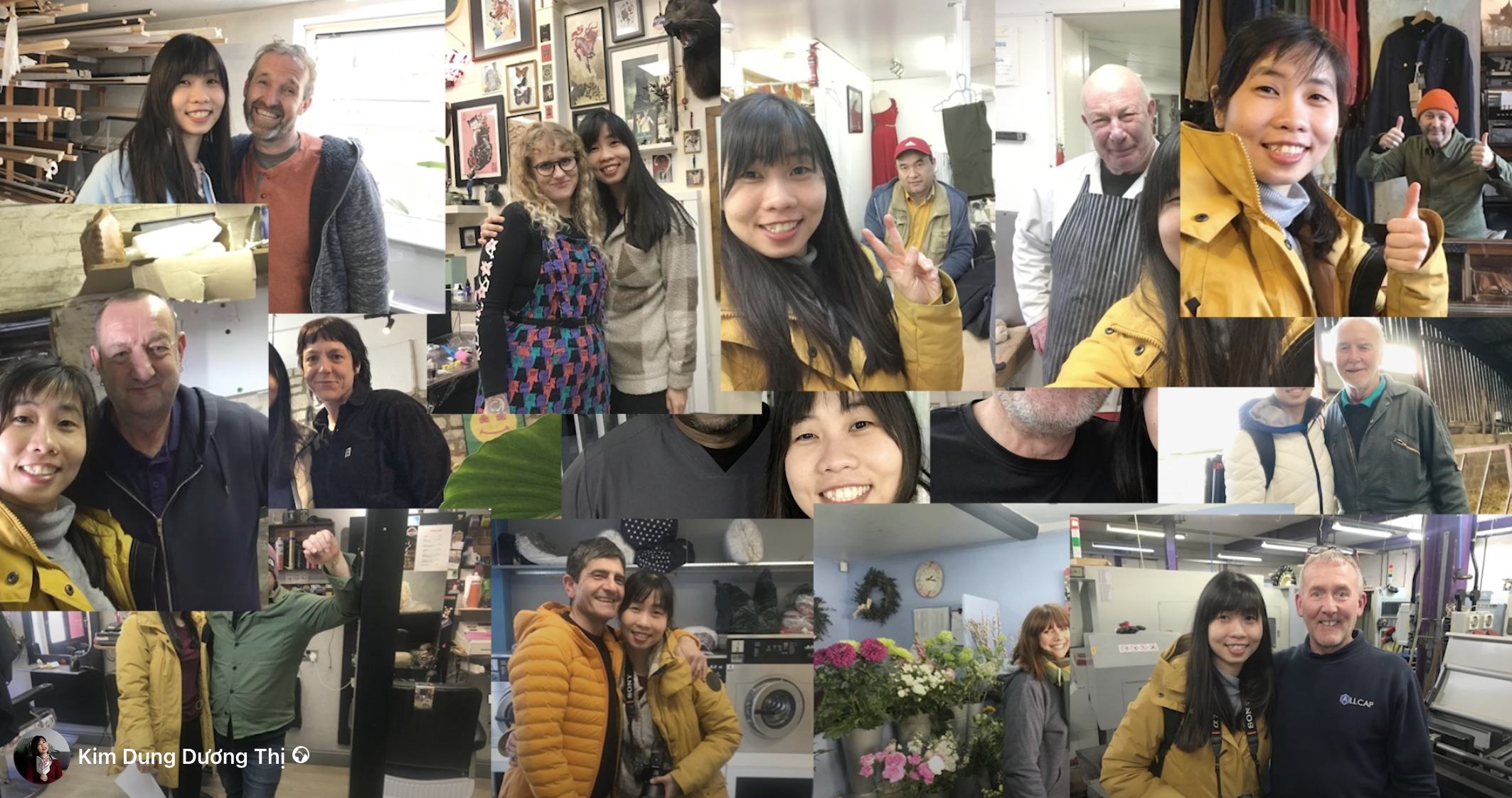
Hacking My Energy to Photograph Strangers
Photographing animals, landscapes, architecture or still life seems to relax my mind. I only need to work on the technical side, check the weather, plan carefully, and do my best behind the scenes with the software to make my photos stand out. I can stay stable and calm through most of the process. Whatever is going on in my head, negative or positive, up or down, it won’t affect my subject.
But when my subject is people, the game changes completely. I don’t mean models in a studio or people you hire. I mean the people you cross paths with on the street. You can’t treat them like the subjects above, and to me it is more challenging, and more difficult.
Why I love photographing people
I don’t only look at their appearance. I look at their spirit and their story. We are all different, and to me everybody is equal. Each of us has a different life, different experiences and different lessons. Someone may not be able to do one thing but be very good at another. You can’t say a doctor is better than a farmer, because both are good at caring for and nurturing others.
That’s why, every time I photograph someone, it feels like collecting treasure. I’ve learnt something from every person I’ve approached, and they always open my mind, a little or a lot.
Why it’s difficult
I believe photographing someone is like working with them. I can’t do whatever I want and expect them to follow. I want their photo, so it’s exactly like asking for a favour. I’m asking for their help, and obviously I’m not their equal in that moment, I’m not their boss. They are the ones doing me a favour, and I need to put them first. Yes, them, not me.
How I started
I didn’t figure this out at the beginning. I was quite naive. My very first people photos were in my first year at university, for an assignment. I chose people not because I liked it. I preferred working with objects, surreal work and retouching. Photographing people meant I needed to know them well, usually my friends.
But my lecturer told me something like this (I don’t remember his exact words): if you feel comfortable doing something for a while, maybe it’s not right, and you need to step out of your comfort zone. He didn’t dislike what I’d done. He wanted me to explore different things and see my limits, and I’m always thankful for that. It showed me versions of myself I hadn’t known. So I chose people, because it was the most challenging and difficult thing for me. 😞
I was so scared at first. When I approached the first few people, I was insecure and lacked confidence. I was worried they would reject me, or wouldn’t understand my English (I had only been in England for six months). On top of that, I had no experience. I just asked, “Can I take your photo?” and I could see how surprised they were. They let me take their photo, but I still remember how awkward it felt. I just tried to get it done quickly. There was no real conversation, no connection, and nothing deeper stayed with me afterwards. I was simply very scared. And of course I got rejected, and I believe you can understand why.
What I learnt after meeting hundreds of people
The most difficult part of working with strangers is that you don’t know their energy. You need to do whatever it takes to match their vibration, and how do you do that?
First, as I said, if I’m asking for a favour, I need to put them first. To put them first, I need to follow their energy and their needs. That means whatever energy, thoughts or ego are in my head at that moment, I need to “hack” it.
Why “hack” and not “fake”? Fake is not real, and energy can’t lie. People can feel it if I lie, and I don’t want to lie or cheat. I want to be real and stay true to who I am. For example, I’m about 70% introvert, so I hack myself by pushing my 30% extrovert up to deal with the situation for me. It’s still me, but this version of me can’t be maintained for too long. It can last a short time, maybe an hour, maybe days or a week, depending on the situation. Either way, it will go back to how it was, because I’m an introvert after all.
So how do I hack it? To bring in something new, I need to put the old away to make space. At that moment, I lock aside whatever energy isn’t necessary: negativity, worries, a down mood, fear of rejection, distance, introversion, fear, walls, judging, anything I know nobody likes.
Now my mind is temporarily about 30% empty. I try to meditate to maintain it. I stop thinking, so no other unnecessary thoughts or energy can fill that space. It’s like bringing a neutral energy before I approach them.
And now here we are. There are four stages in the process: approach, maintain, gain trust, and ask.
1. Approach
To me this is the most important stage, because it decides the rest. It is their first impression of me. So I prepare my mind well and fill the empty space with the energy I think I need.
Brave. Of course. If you’re not brave, how can you approach them? At that moment my mind is temporarily empty, so I don’t think too much about whether they’ll be upset or angry, haha. I just do it first.
Positive. Open and happy follow after that, because who doesn’t like positive energy? At least it’s something I can offer them. I know I can’t be happy all the time, but I try to hack that. I know where my positive energy is, usually when something triggers it, but right now I need to use it first. I just remember a happy feeling from the past and put my positivity on the table.
Humble. Then I introduce myself and tell them who I am and why I’m doing this, in a humble tone. I want to show them I’m just like them, with no gap between us. Actually, I’m lower, because I need them. I don’t want them to hear a bossy or demanding tone in my voice. One of the best things when I travel to countries that don’t speak English is learning some of their language. Not just to impress them, but to show that I truly love their country and approach them with real goodwill and passion for their culture.
2. Maintain the conversation
This is the stage where I want to understand their stories, their deeper side, their wisdom. I need to ask the right questions so they can share openly. When they start, I listen carefully. I think we all know how to do that: pay attention, don’t look around, don’t check the phone. Then I interact with their story with 100% heartfelt, as if I were talking to a close friend.
Another very important thing is patience. Everyone is different. Some people are good at talking, but others take time to get comfortable. To match their energy, I need to be patient enough to understand them.
3. Gain trust
If I do the two stages above well, this one comes naturally. When I talk to them, I want to show that I’m really interested in them. My sincerity comes through my energy, my eyes, my tone of voice, my attitude and my gestures.
No judging. I believe we all have a past, and we all have a good side and a bad side. To me it’s yin and yang. When they share their story, they want me to understand how difficult it was, what they gained. They don’t want someone telling them what to do, because they know what they’ve been through, and I try to put myself in their shoes.
I also compliment them when I feel it’s right, because people like to hear support. It tells them the person in front of them has no ill intent and isn’t their enemy. I know this because I like hearing compliments too, haha, so I assume most of us do.
And there’s no need to say much about it: respect is a must. It shows that I appreciate them, value them and care about them, and that I put them on the same level as me.
If I can express all of this, I believe they can trust me to some extent and believe that I want to connect with them.
4. Ask
In the end, like two friends who have exchanged energy, I ask for permission to take their photo. To me it’s a natural consequence of two people exchanging energy, and I think they’re open to it because they trust me. They know I’ve spent my energy on them and I’m not taking advantage.
Sometimes it depends on the situation and the time. I might only have time for the approach stage and then go straight to asking, because people can be busy, and I can’t come back to the same place again. That’s why the way I approach decides whether I gain enough trust to take the photo. But the maintain stage is what takes me deeper into their story, helps me understand them better, and lets me gain their wisdom.
Accepting rejection
I had to accept being rejected. It wasn’t easy at the beginning. It felt like failure. Then I realised it’s normal, because many people don’t feel comfortable. I stay positive. It’s not my problem, and it doesn’t necessarily mean they don’t like me, because I tried my best and gave them all my positive energy. There’s nothing else I can do. But I do reflect on why they said no: maybe my way of approaching, maybe the way I interacted, maybe my questions were too sensitive. That makes me better next time.
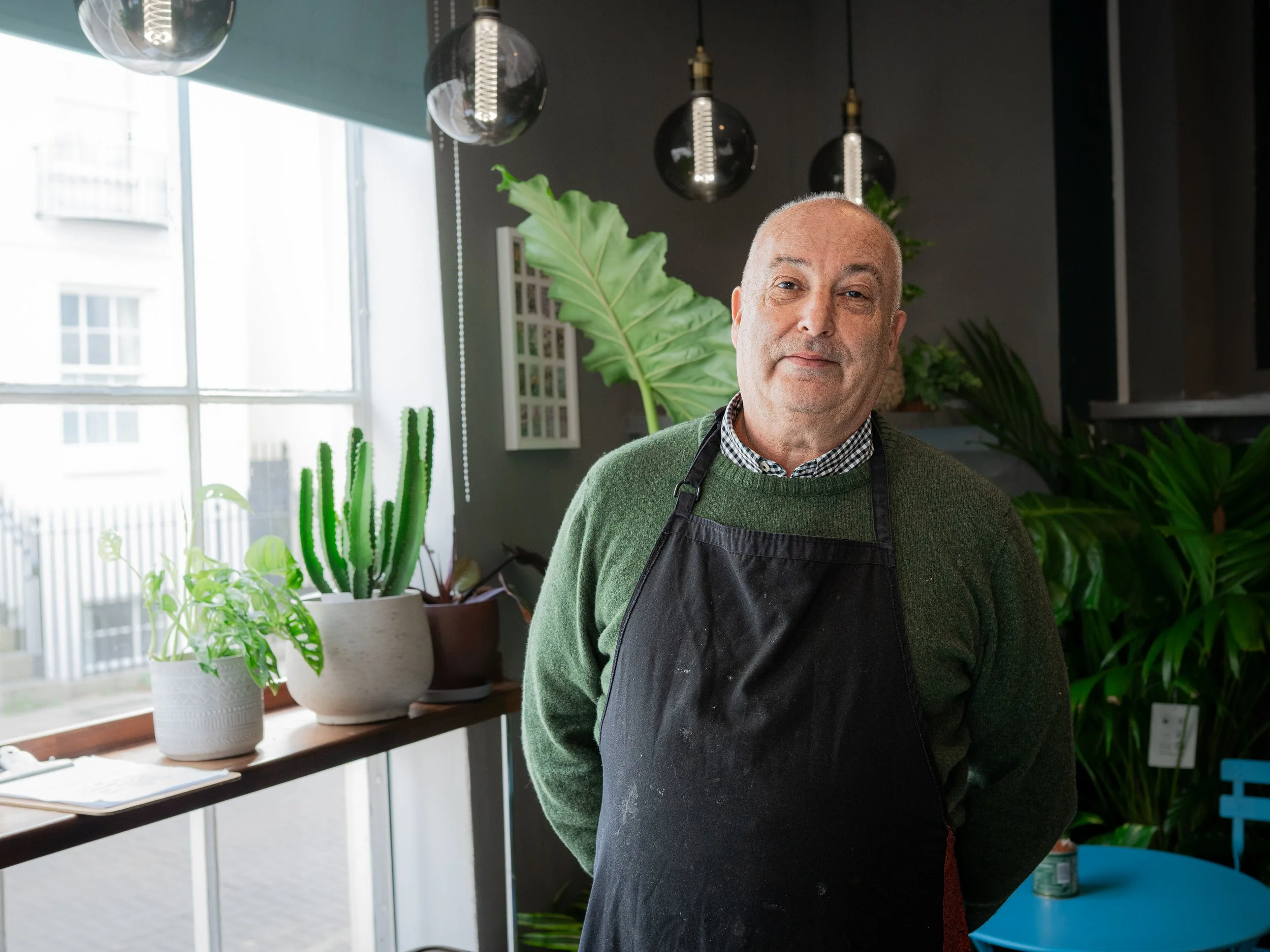
Actually, that reminds me of one time I’ll always remember. I approached the owner of a coffee shop. The place was beautiful, and that’s what drew me in. But my first feeling about him was that he was a little intimidating. He wasn’t open at all when he saw my camera, and I think he understood my intention right away. Instead of saying yes, he told me I’d have to wait until the shop wasn’t busy. He wasn’t smiling either.
I didn’t take it personally. I showed him how happy I was that he’d agreed, then sat in a corner and waited for about 20 minutes. The shop stayed quite busy. At some point I walked up to him and said, “Can I have one cappuccino, please?” I genuinely wanted a coffee, not to win him over, haha. He made it for me quickly, and even gave me a 10% discount. I was surprised and grateful. I could tell he was a kind person who just wasn’t very expressive with strangers.
After that, I got his photo, with a smile on his face (because I asked for it, haha). It was an amazing moment, and one I will never forget.

The result
Of course, I get their photo on my camera, and that’s the goal. But I won’t say it’s always good, because that still depends on my retouching, my technical skills and my experience.
What I’m sure of is the feeling of achievement. I stepped out of my comfort zone, I was brave, I used all my emotional intelligence, I was empathetic and sensitive, I listened and stayed present in their story. All of this happens in a short period, yet in my normal daily life it would take days or months, depending on the person and the situation, to go through those different stages of feeling.
I’ve noticed that the more I practise, the more quickly I can train my mind to reach this level, maintain it for longer, and not need to switch it on from rock bottom. And the positive energy always feels good and worth it. It’s not just a photo of a stranger. It’s the achievement of getting past my old version to become a better one.
When I say “hack”, I mean my usual energy will come back in the end. It doesn’t disappear. I can only maintain this level for a certain time, and it can be exhausting, and I need to recharge. But it’s worth it, because you never know, you may meet another best version of yourself.
I hope that after reading this, you’ll try it and share your experience with me.
If you’d like to see the people behind these stories, you can meet some of them in Encounters.