Learning “Enough” from the Maasai
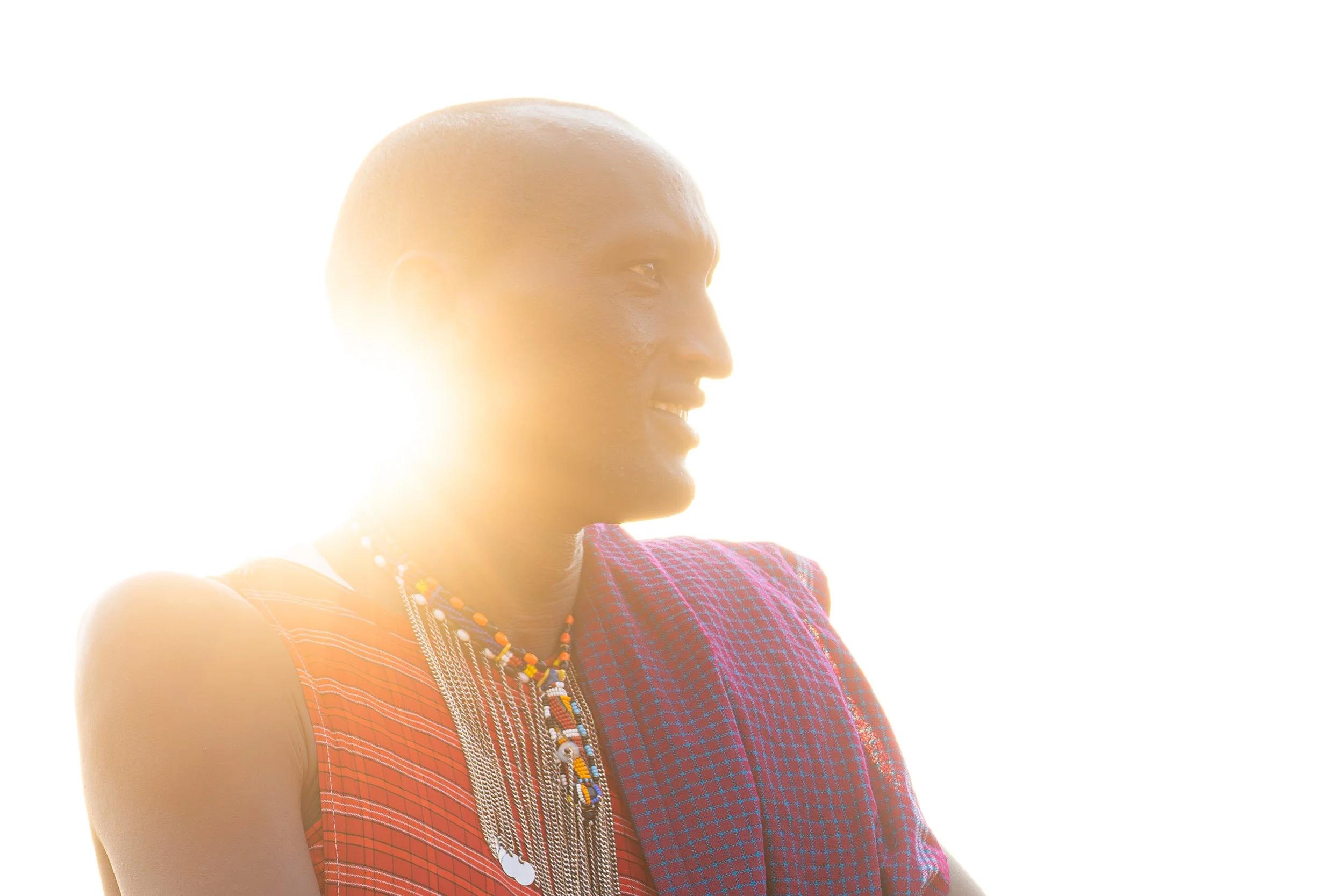
Maasai people live a life that I don’t think people outside can really understand.
They don’t build big houses with lots of rooms: a bedroom, a bathroom, a kitchen, a living room. The house I visited was only two or three metres wide, and it held everything. I was shocked at first. It was so small, so different from any house I’ve known. There was no sofa, no television, none of the things we fill our homes with to make life convenient. Just what makes life enough. The kitchen and living space are combined and built in the centre, and around it are two bedrooms, each the size of a bed and nothing more. And it isn’t a proper bed. It’s built from concrete, a part of the house itself, with a blanket for the winter and no mattress. I visited Maasai homes in both Kenya and Tanzania. They’re slightly different, but the size and the things inside are still the same.
Inside a Maasai home in Kenya. Kitchen and living space share the centre, with a sleeping area on either side.
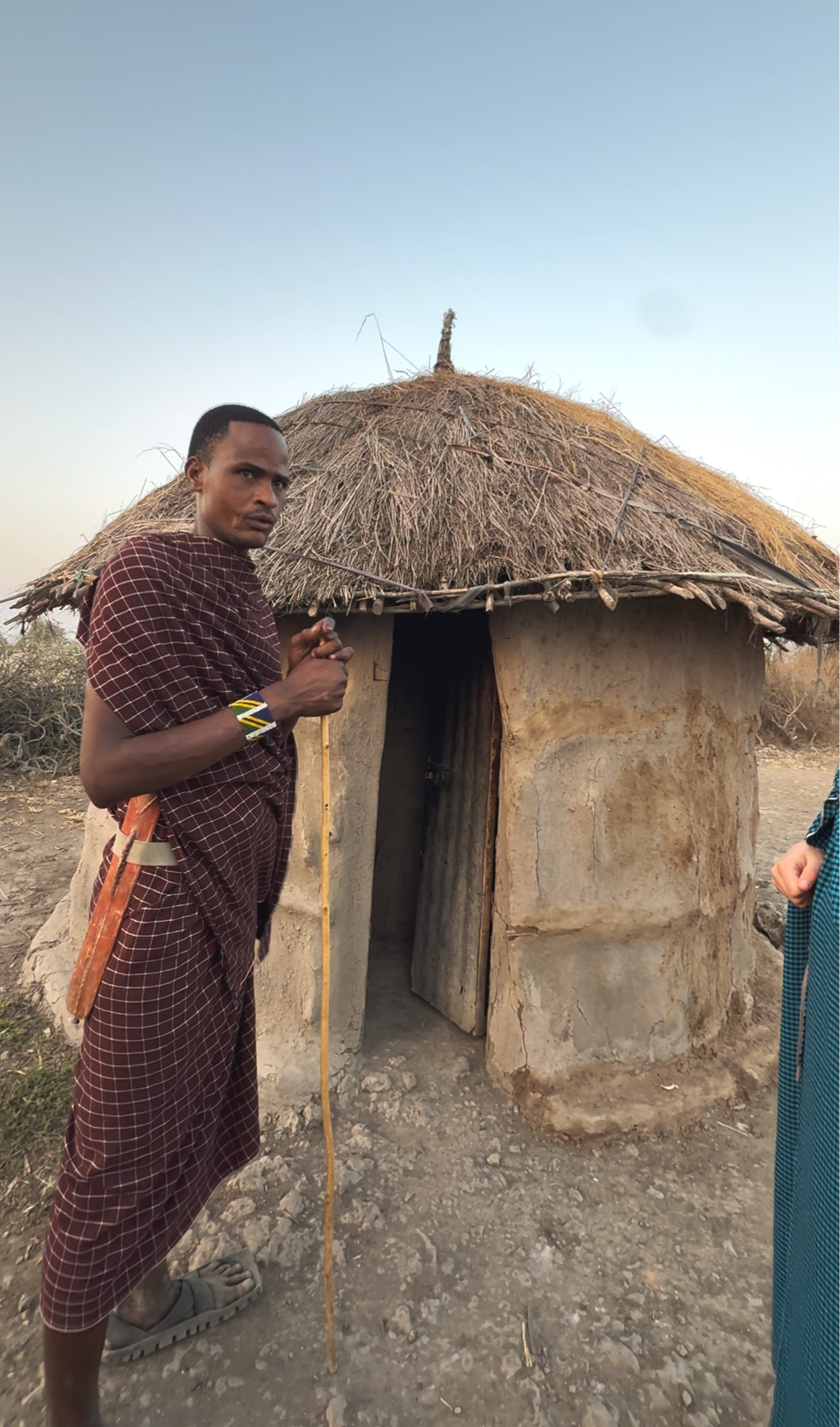
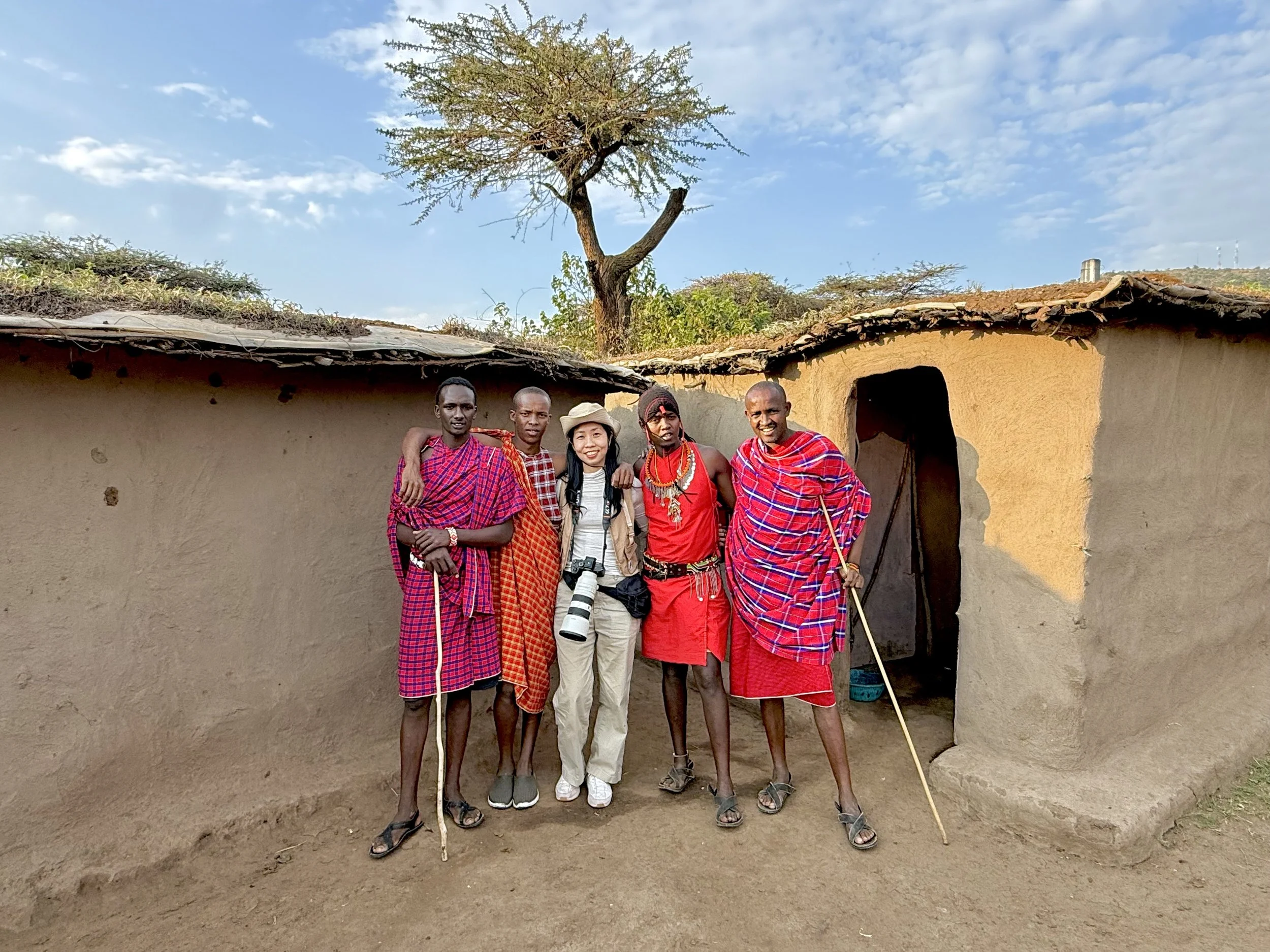
I couldn’t stop thinking about it afterwards. How could they need only that? They’re people like us. So why can they accept a life without so much convenience? Why don’t they buy more, or move to the city to make life easier? There, technology saves time, there’s transport instead of walking everywhere, there are new foods and flavours to try, instead of eating the same few meals year after year. I’m sure they could. I know some Maasai who live and work in Nairobi and Arusha.
But my question stays with the people in these villages. I’m not judging at all. I actually admire them. They have a choice, here or there, and if it were me, I don’t think I’d have that choice. Which means my endurance is weaker. I’m still stuck with so many things that don’t really serve my life the way I thought they did.
Maasai people do use phones to communicate, which I think is fair enough. Beyond that, their homes have no TV, no washing machine, no dishwasher, no sofa. And let’s be honest, when I was a kid in Vietnam in the 90s, my family wasn’t rich, and I didn’t have these things either. But I played with whatever was around me, with what I had, and I was still happy. We did everything by hand. I never asked for more. I think I only started asking for more after I saw it. Before that, I was fine.
Then my life moved into a world of more and more stuff, and I felt myself getting stuck. I don’t want to go back to doing things the old way. Maybe I want to save time for other things, but what other things? I don’t need to wash clothes by hand because I’ll watch TV instead. A bed feels comfier than a flat surface. So year after year, without realising, I’ve built more comfort, more enjoyment, more than I ever needed. Nothing wrong with that. But when something happens, or when I have to experience life without that comfort, I feel stressed, uncomfortable, irritated, even frustrated.
Maasai people don’t go to restaurants or amusement parks like we do, to fulfil and enrich our lives. They let nature nurture them instead. They raise their children among wildlife, trees and organic things that nothing can compare to. We own so many things and experience so many things, yet our peace doesn’t grow with them. The mind is always busy here and there, never really paying attention to anything or staying happy for long. If you own a big house, you have to maintain it, keep it clean, pay tax on it, and so on. If you own nice, expensive things like cars, clothes, watches, you worry when there’s a scratch or a small stain. Your mind is always in worry mode. And when we get what we want, we show it to people, and we’re happy, but only for a short while. Then we want something else, when we see someone else has it or when the advert keeps repeating in front of us. I’m not a psychologist, but I’ve observed people, and especially myself, and I realised it’s like a bad habit that we keep feeding.
Seeing how the Maasai live, the lesson I’m learning from them is what “enough” can mean. Maybe they don’t even think of it as “enough”. Maybe it’s simply their life. Even the bathroom: they don’t build one inside the house, they use a public one shared with the village. Showering every day? They don’t need to. When you live where water is rare, you can’t waste it if you don’t have to. They might shower once or twice a week, not every day like us.
Let’s think about this again. If they felt sorrow or discomfort, why would they pass this culture and tradition to their children, generation after generation? It means they found a kind of beauty that we may never know: happiness and a peaceful mind. The very thing we’re all looking for nowadays but find so hard to get. We meditate, read philosophy books, search for every technique we can think of. Some people do find it. But when life becomes harsh, when money, work and pressure come back, the mind loses its balance again.
The Maasai work with nature and animals, and share their culture with visitors to make a living. They eat simple food, need fewer things, and live among happy people who support each other and share what they have. So tell me, which one of us would be more stressed? Even if tourists never visited, they’d still have nature and animals around them, and food from their crops.
And pressure? Yes, they probably deal with the weather, drought, and land. But who doesn’t? Those are things none of us can control. What I mean is the pressure we create ourselves by bringing more and more into our lives. That’s why I believe the Maasai carry far, far less of it than we do. They don’t have deadlines. They don’t need nice, different clothes every day. They wear their colours with pride and fulfilment, and those colours remind them of their roots.
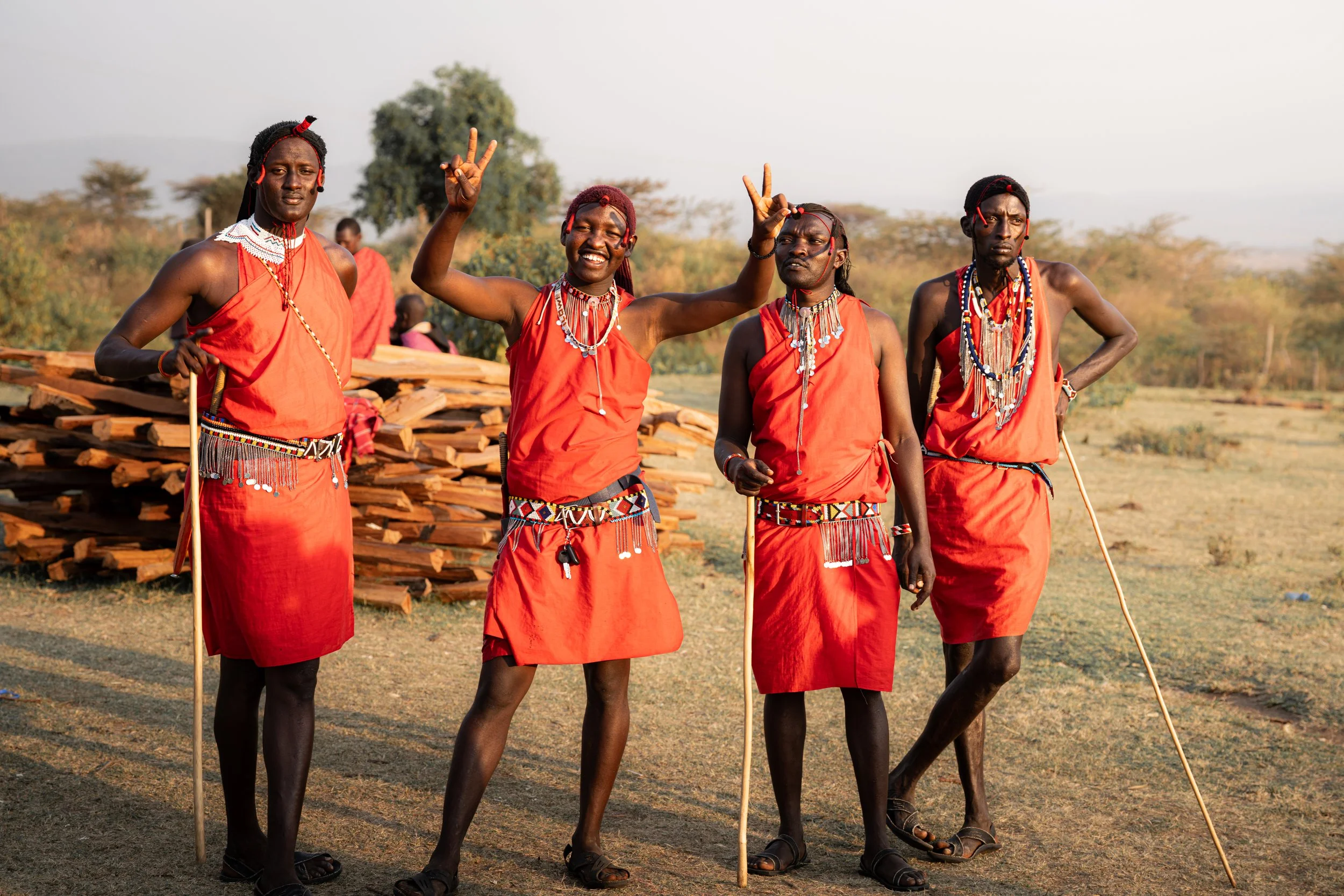
I think the Maasai are experts in the way of living: minimalist, with a peaceful mind. I can’t guess what’s in their heads, but I’m sure of how happy they are, how much they enjoy life, because their faces are always relaxed, happy and sincere when they talk to you. It’s one of the best lessons of my life.